
Donate
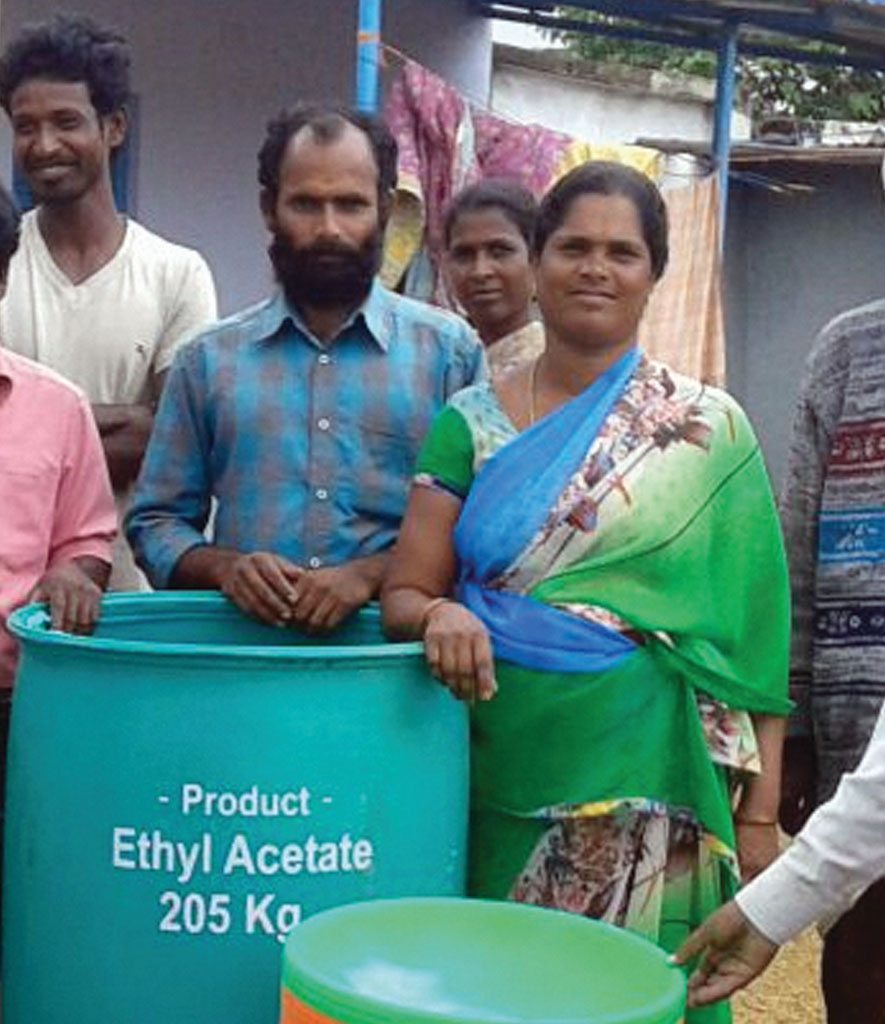
CPF has been working for the rights and livelihoods of Tribal Communities along with conservation of natural resources including the surrounding forests on which they depend and/ or inhabit. The organisation has been working currently in 200 remote tribal villages in the states of – Telangana (129), Andhra Pradesh (59) and Odisha (12) covering 13940 households, through various donor supported projects. While working there, it has been noted that they are deprived of even little pleasures and necessities. CPF intends to provide for some such small needs by raising donations from individuals who have concern for the Tribal Communities. Five different categories have been identified and listed below from which the donors can choose the category of their interest.
For each of the category cost estimate is provided in the text. When once amount needed for one village is received, it will be spent and the details will be updated in the CPF website at Donation Utilisation page.
CPF Values
CPF, founded in 2002, fosters participation through a non-hierarchical structure, ensures transparency via accessible reports and meetings, upholds accountability with stakeholder engagement, and promotes equity by prioritizing marginalized communities and gender equality in sustainable development.
Empowering communities through participation, transparency, accountability, and equity for sustainable development.
Participation
Participation at all levels is central to the way CPF functions. The organisational structure of CPF is non-hierarchical and thus has a built-in mechanism to encourage both team spirit and participation of all staff members. The philosophy and central goal of CPF encourages the participation of other stakeholders and thus ensures the flow in of different points of view.
Transparency
CPF maintains openness in its functioning by proactively making information easily accessible through reports, organisation website and through open presentations at the Annual Meetings. Thus all stakeholders have automatic access to both programme and financial information in annual reports of CPF. The organisation strives to ensure this practice among NGOs and various CBOs with whom it partners with.
Accountability
Accountability is reflected in how CPF collects and uses data, organises multi-stakeholder platform meetings, produces reports taking independent views on contentious issues, derives mandate from the partners’ meetings held annually and shares information including that of finances with all concerned. CPF staff is present at Board of Trustees (BoT) meetings held twice a year. Here both the Director and the staff are accountable for their functioning to the independent board.
Equity & Equality
CPF always strives to ensure equity and fairness in its functioning. This includes equality in gender relations. CPF also strives to ensure that the changes it proposes to bring at the community level are equitable. The selection of project locations is done with positive discrimination to the vulnerable and marginalised sections.